The white stork (Ciconia ciconia) is far more than a bird in Alsace. Standing a metre tall, with a wingspan of nearly two metres, it has dominated rooftops and church steeples for centuries. It is the living symbol of a region, an identity, a deep attachment to the Alsatian land. And yet it came within a whisker of disappearing forever.
The stork in mythology and Alsatian legend
The connection between the stork and Alsace goes back a very long way. In Germanic mythology, the stork was a sacred messenger of the goddess Holda, tasked with delivering souls ready to be reborn. One legend told of a lake beneath Strasbourg Cathedral where souls waited to be collected by a gnome in a silver boat, then entrusted to storks - the origin of the popular belief that storks bring newborn babies.
By the Middle Ages, the stork had become a symbol of fidelity and loyalty : a monogamous bird, it returns each year to the same nest and the same partner. After the First World War, when Alsace returned to France, the stork nesting on the village church steeple became a symbol of reunification, immortalised by the illustrator Hansi.
New


New
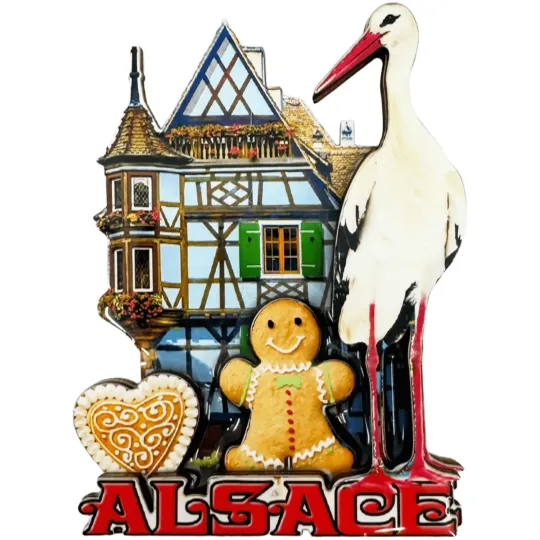
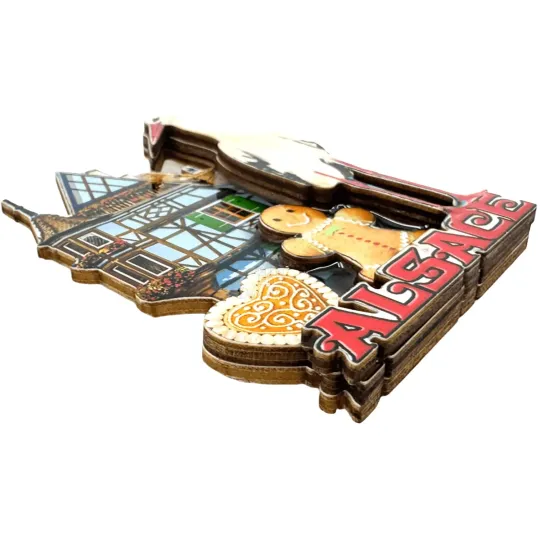
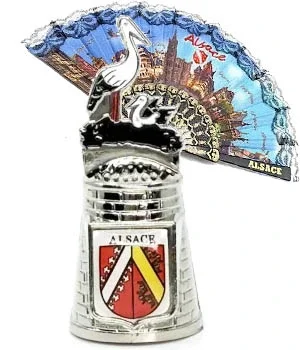
Alsace Magnet
Already 1 sale this month
🔥 3 people recently added this item to their cart , join them!
🔥 3 people recently added this item to their cart , join them!
In stock
New
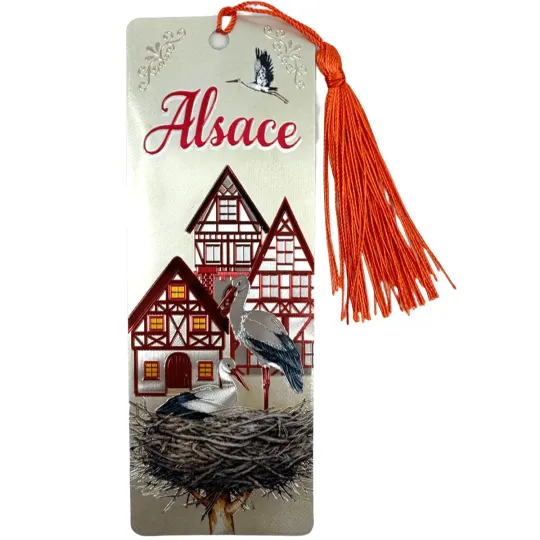
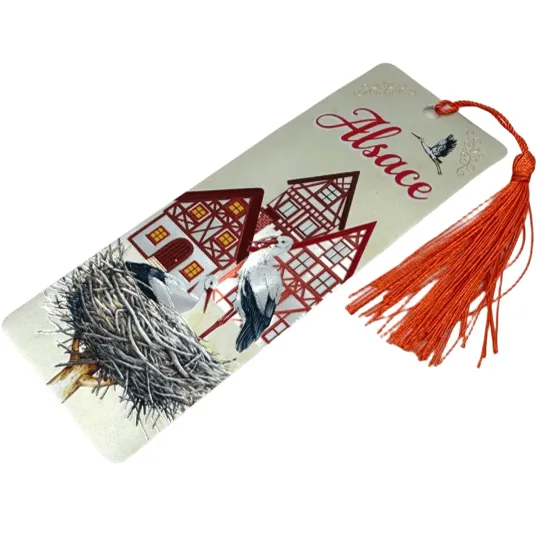
Bookmark
Already 1 sale this month
🔥 3 people recently added this item to their cart , join them!
🔥 3 people recently added this item to their cart , join them!
In stock
Early 20th century - thousands of storks
At the turn of the 20th century, storks numbered in the thousands in Alsace. Their presence was natural, familiar, woven into the daily life of villages. The first serious surveys in the 1930s still counted around 150 breeding pairs.
The decline - from thousands to just 2 pairs
From the 1960s onwards, the decline became dramatic. Several factors combined to push the species towards extinction :
- The electrification of rural areas multiplied power lines : between 60 and 70% of individuals died from electrocution.
- Widespread pesticide use in sub-Saharan Africa - the storks' wintering zone - decimated migrating populations.
- The disappearance of wetlands and meadows reduced available food sources in Alsace.
The numbers tell a stark story : 145 pairs in 1960, 90 in 1962, 9 in 1974, 5 in 1976... and just 2 pairs in 1982. Extinction in Alsace seemed inevitable.
Reintroduction - an exemplary rescue
It was in this emergency that the first rescue initiatives were born. Swiss ornithologist Max Bloesch and Alsatian Alfred Schierer developed the enclosure technique : keeping storks in captivity during the first three to four years of life, suppressing their migratory instinct. Storks "settled" in this way remain in Alsace year-round and breed there.
In 1975, Jacques Renaud founded the Hunawihr Stork Reintroduction Centre (Haut-Rhin), today known as Natur'OParc. In 1983, the APRECIA (later APRECIAL) association was created to coordinate efforts at regional level.
The results were spectacular :
- 20 pairs in 1980
- 79 pairs in 1990
- 255 pairs in 2000
- 900 pairs in 2014
- Around 1,400 individuals today
The stork today - between sedentariness and new challenges
A notable change has taken place : a growing share of Alsatian storks no longer migrate to sub-Saharan Africa. Thanks to milder winters and abundant food near human settlements, many now stop in Spain or Portugal, or remain in Alsace year-round. The white stork is today an emblematic ecological success story - and one of the strongest symbols of Alsace's commitment to nature conservation.
It remains, however, a species to watch. Listed as a "Heritage Species" on the Red List of breeding birds in Alsace, it faces ongoing threats : power lines, pesticides in wintering zones, collisions with overhead cables.
The stork - a symbol woven into Alsatian crafts
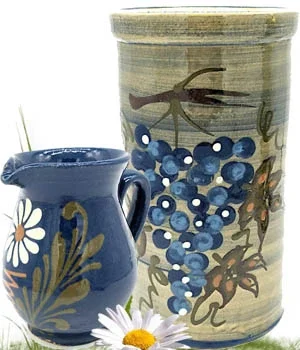
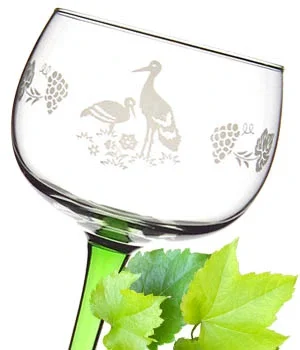
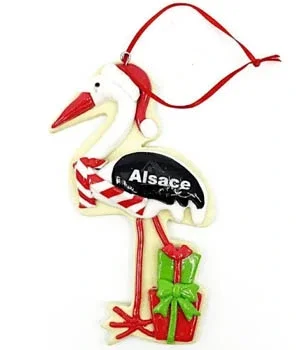
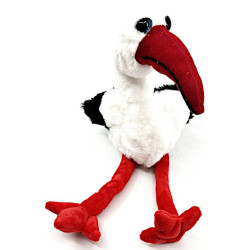
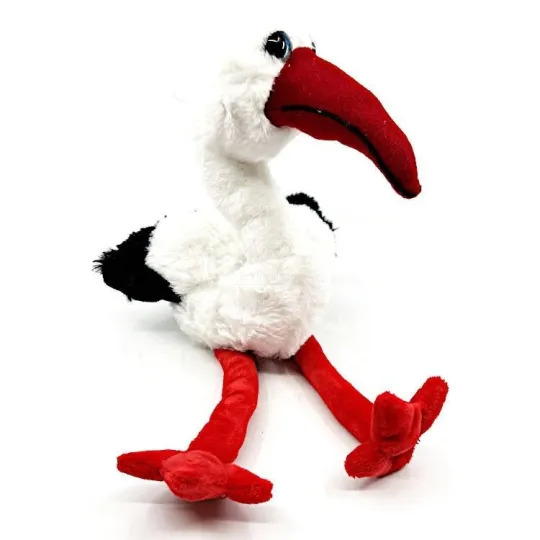
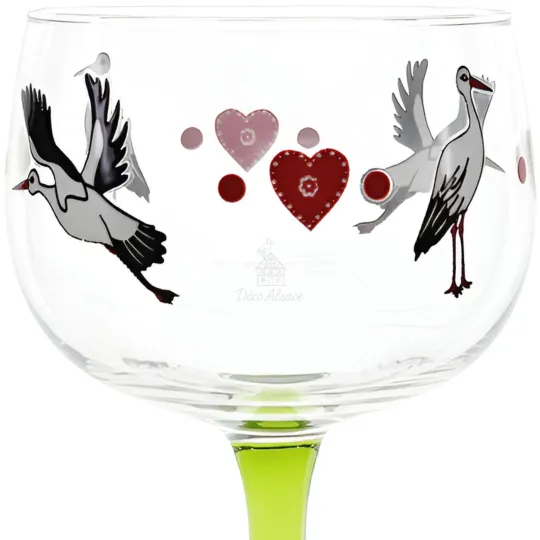
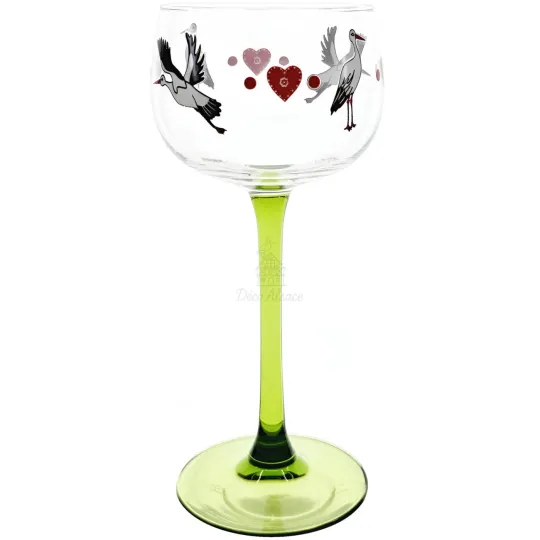
Ever-present in the collective imagination, the stork has naturally found its place in Alsatian crafts and decoration. Soufflenheim pottery decorated with storks, embroidered textiles, figurines, statuettes - the stork is today one of the most sought-after motifs in Alsatian souvenirs, a reminder of the beauty and uniqueness of this remarkable region.
New
Made in Europe
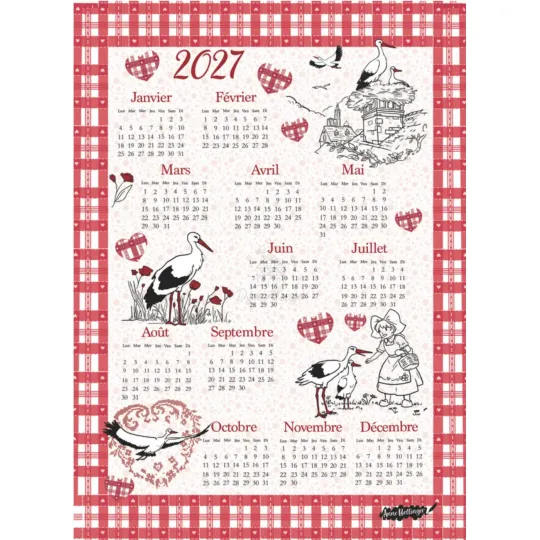
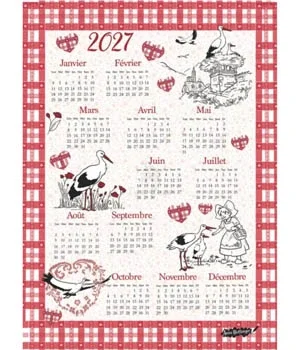
Alsace Calendar
Already 13 sale this month
🔥 6 people recently added this item to their cart , join them!
🔥 6 people recently added this item to their cart , join them!
Stock < 6 items
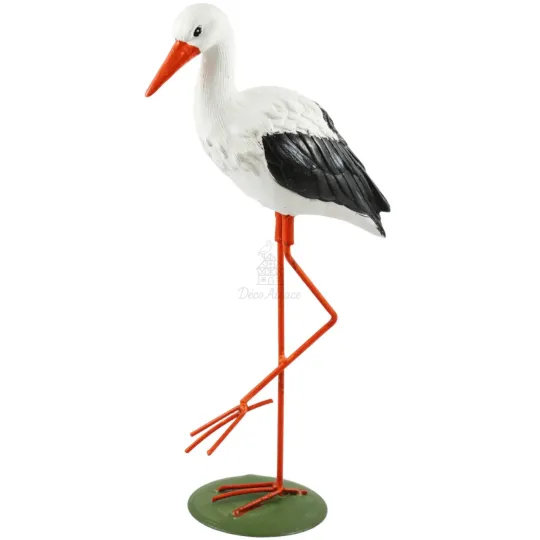
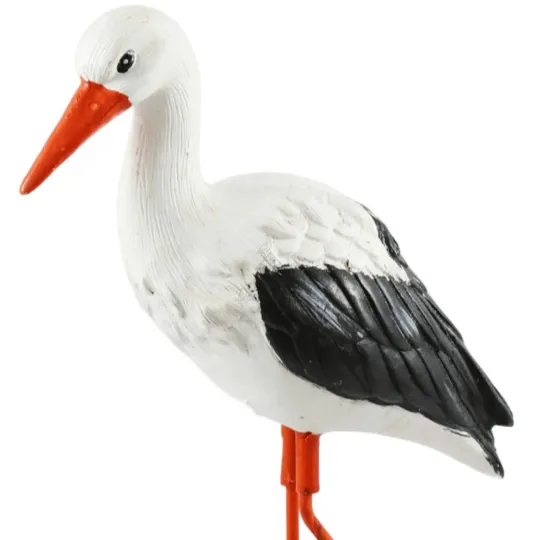
Souvenirs from Alsace
Already 8 sale this month
🔥 1 person recently added this item to their cart, join them!
🔥 1 person recently added this item to their cart, join them!
Stock < 12 items
Explore our selection of stork-themed Alsatian gifts on decoalsace.fr - delivery across Europe.
 Gb
Gb
 Français
 Deutsch
 Nederlands






Latest comments View all