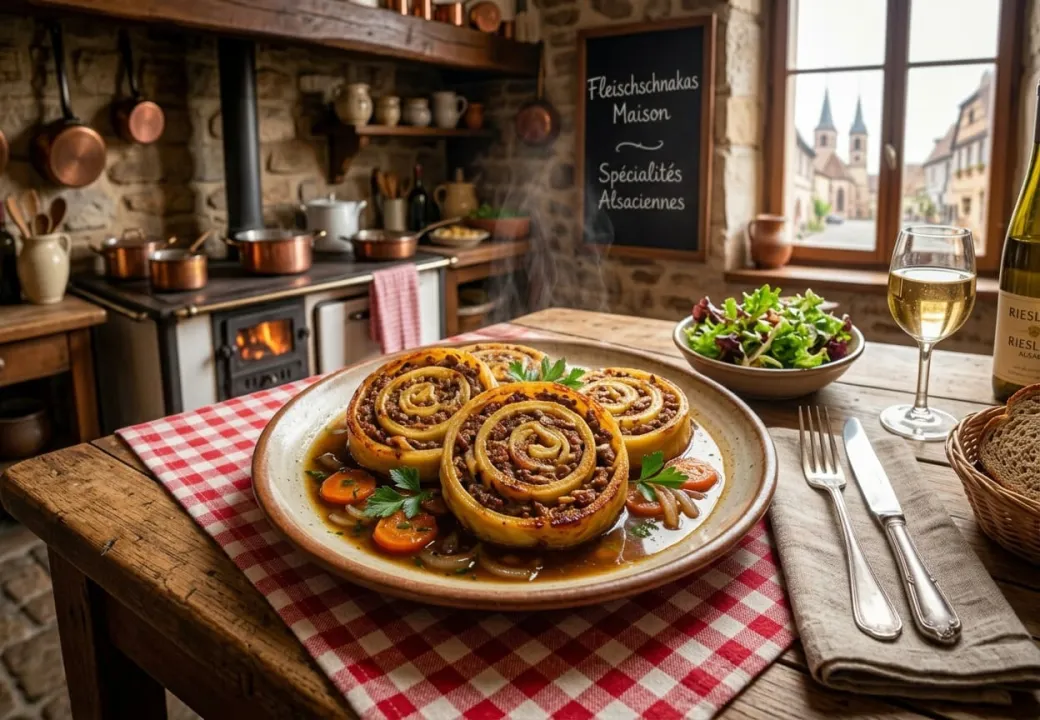
Fleischschnaka - literally "meat snails" in Alsatian - are one of the most endearing dishes of traditional Alsatian...
Find an article
Our categories
Explore by topic
Archived posts
Fleischschnaka - literally "meat snails" in Alsatian - are one of the most endearing dishes of traditional Alsatian cuisine. These fresh pasta rolls filled with minced braised meat, poached in a Riesling-scented broth, are a perfect example of Alsatian farmhouse cooking: generous, ingenious and deeply flavourful. An ideal dish for using up leftover pot-au-feu or baeckeoffe and delighting the whole family.
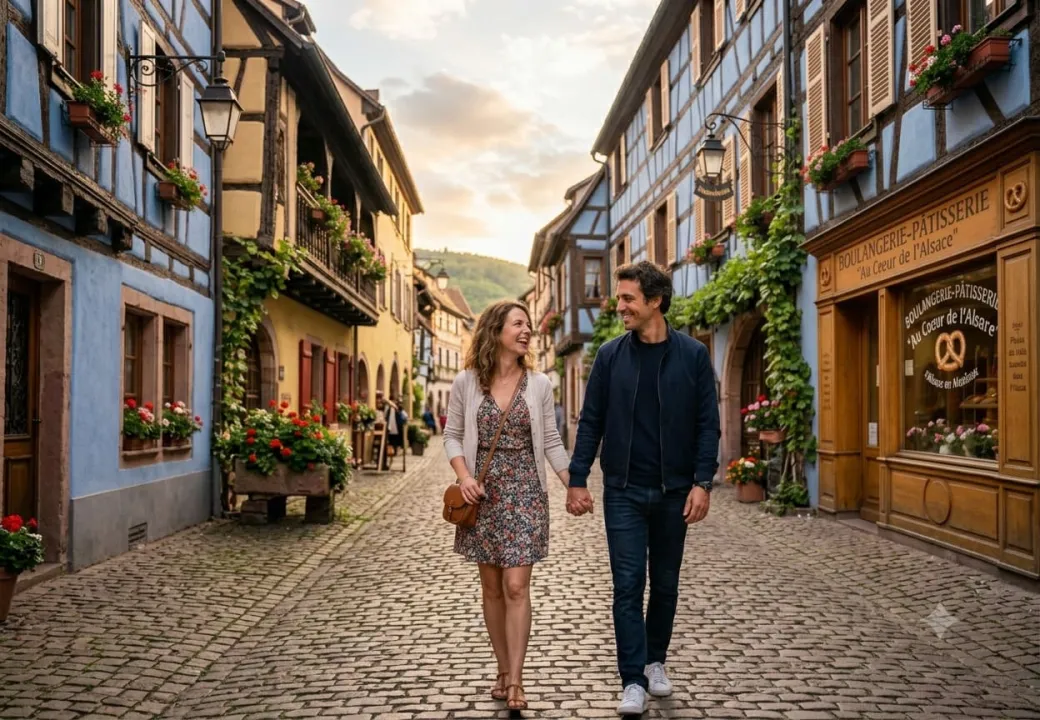
Alsace is one of the most romantic regions in France. Its flower-decked half-timbered villages, its vineyards turning gold in autumn, its intimate winstubs and its castles perched on the Vosges ridges naturally set the scene for a perfect couple's escape. Whether you are looking for a memorable weekend, a gastronomic getaway or an original gift for your other half, this guide helps you live an unforgettable Alsatian experience for two.
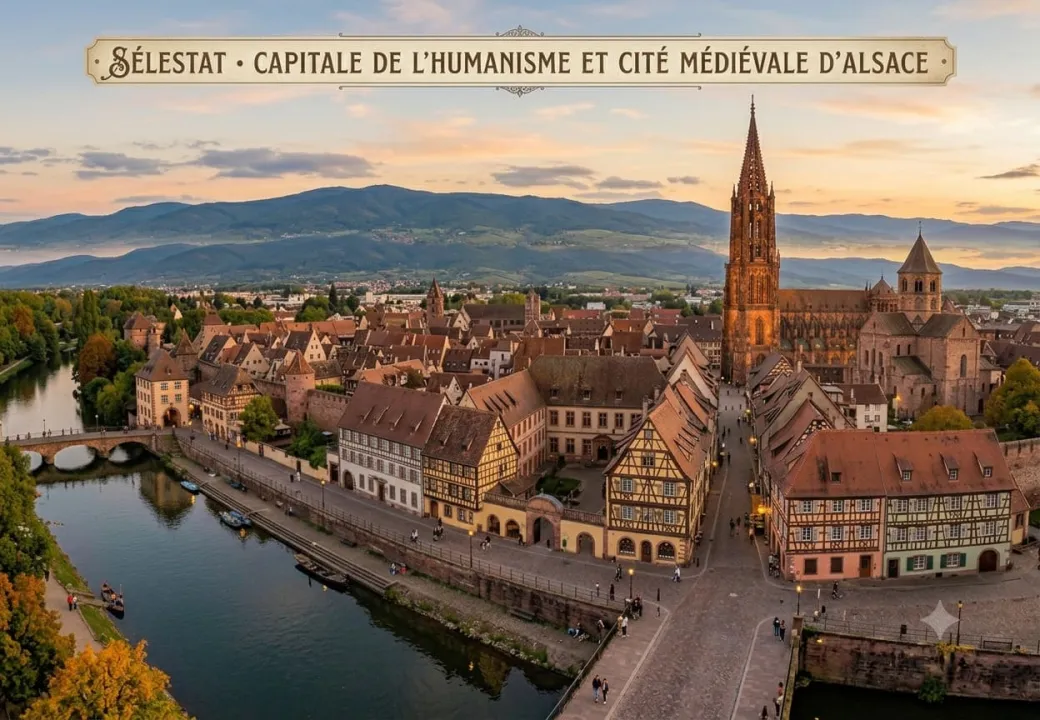
Sélestat is one of the most overlooked and most captivating cities in Alsace. Sandwiched between Colmar and Strasbourg on the Wine Route, it is all too often driven through without stopping. This is a mistake: this medieval city is home to one of the most precious libraries in Europe, two remarkable churches and an authentic historic centre untouched by mass tourism. This guide invites you to discover it differently.
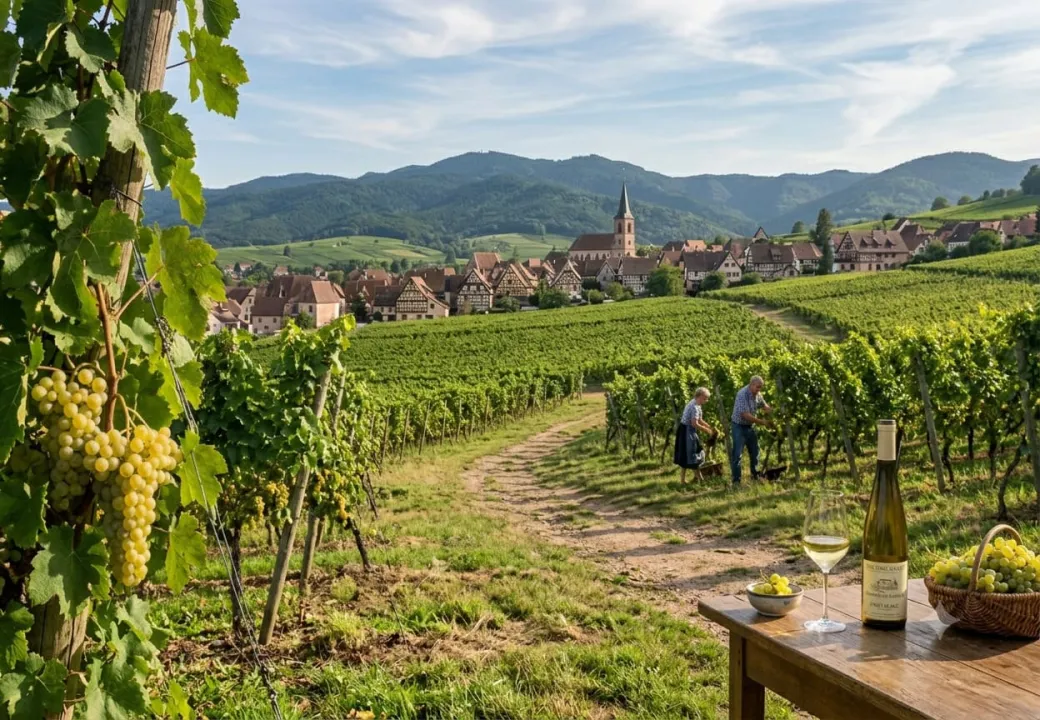
Alsatian Pinot Blanc is arguably the most underrated grape variety in the region. Less flamboyant than Gewurztraminer, less mineral than Riesling, it wins hearts with its remarkable versatility and accessibility. Aperitif wine, table wine, the backbone of Crémant d'Alsace: Pinot Blanc accompanies every occasion with disarming ease. This guide finally gives it the recognition it deserves.
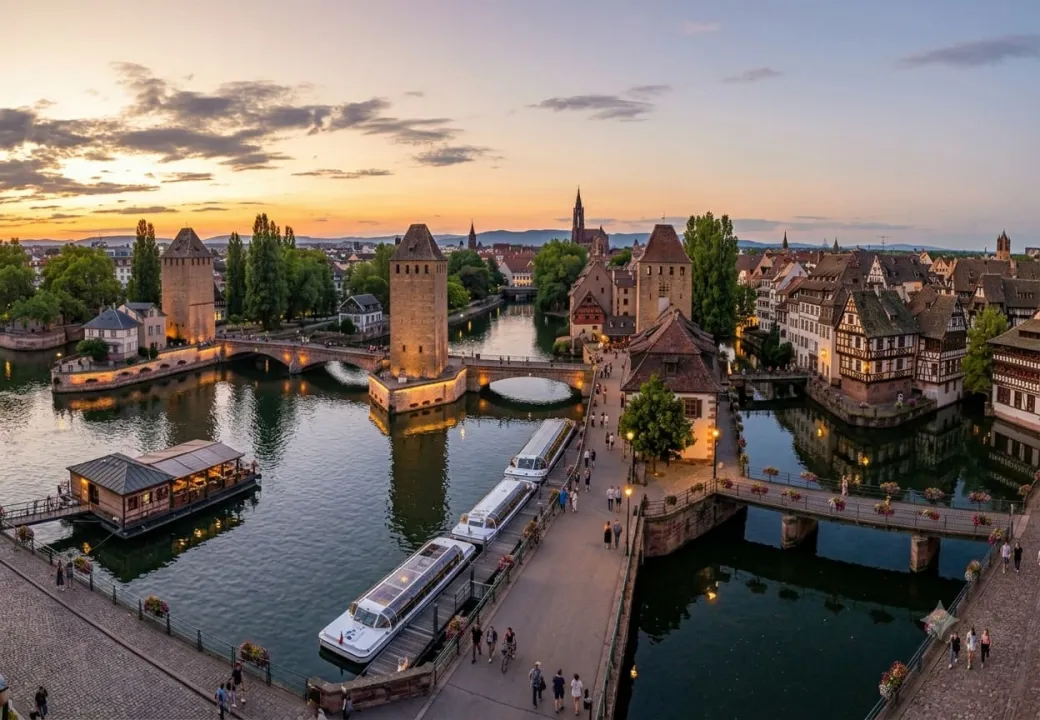
La Petite France is Strasbourg's most iconic neighbourhood. Its half-timbered houses leaning over the canals of the Ill, its cobbled lanes and its locks make it one of the best-preserved medieval ensembles in Europe. Listed as a UNESCO World Heritage Site since 1988, this former quarter of tanners, millers and fishermen attracts millions of visitors from around the world every year. This guide takes you on a journey through its history, its monuments and its best-kept secrets.
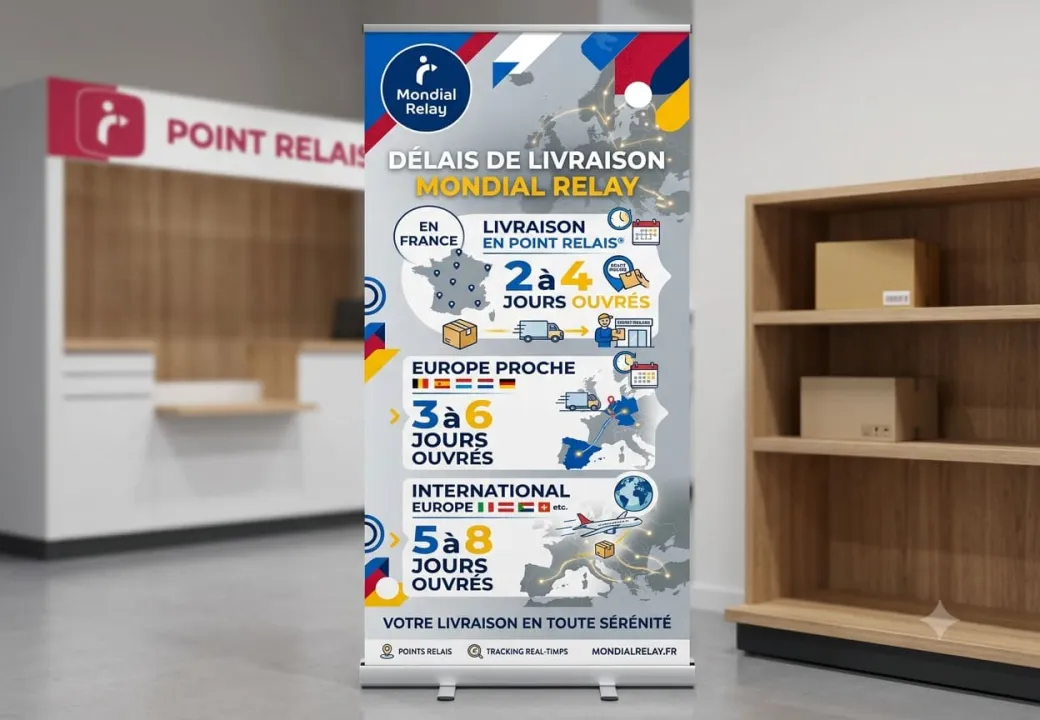
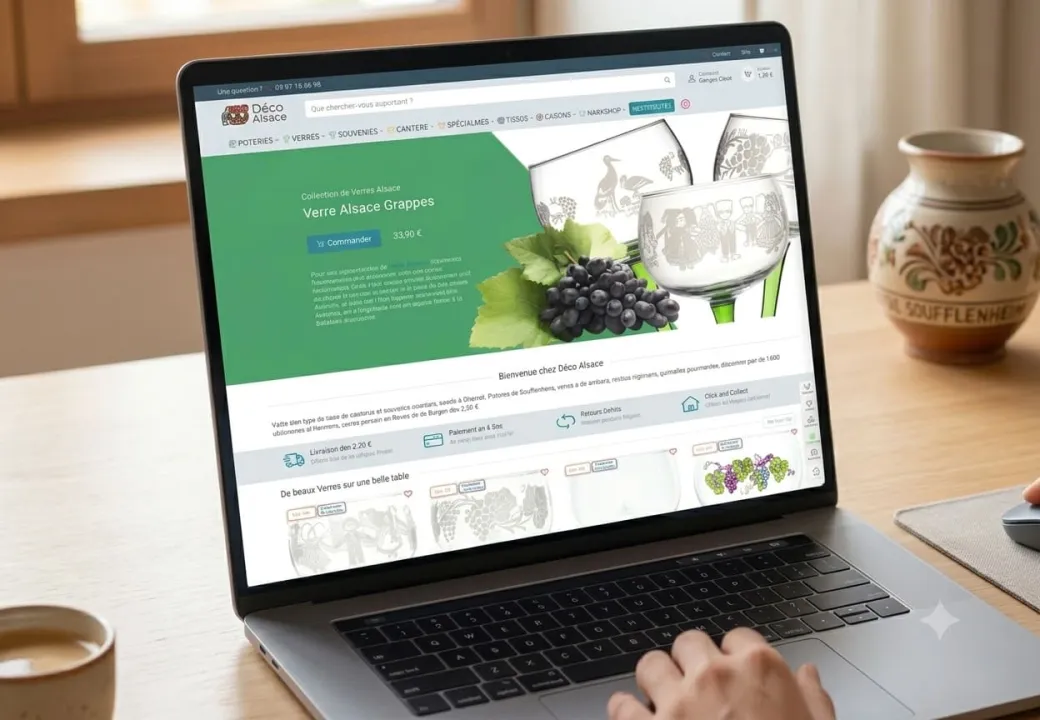
Do you live far from Alsace or want to give a typical regional gift without travelling? The decoalsace.fr online shop lets you order all Alsatian specialities - food, craft or decorative - and have them delivered anywhere in France and throughout Europe. This guide tells you everything you need to know for a smooth order: delivery times, carriers, packaging and tips for choosing the right products.
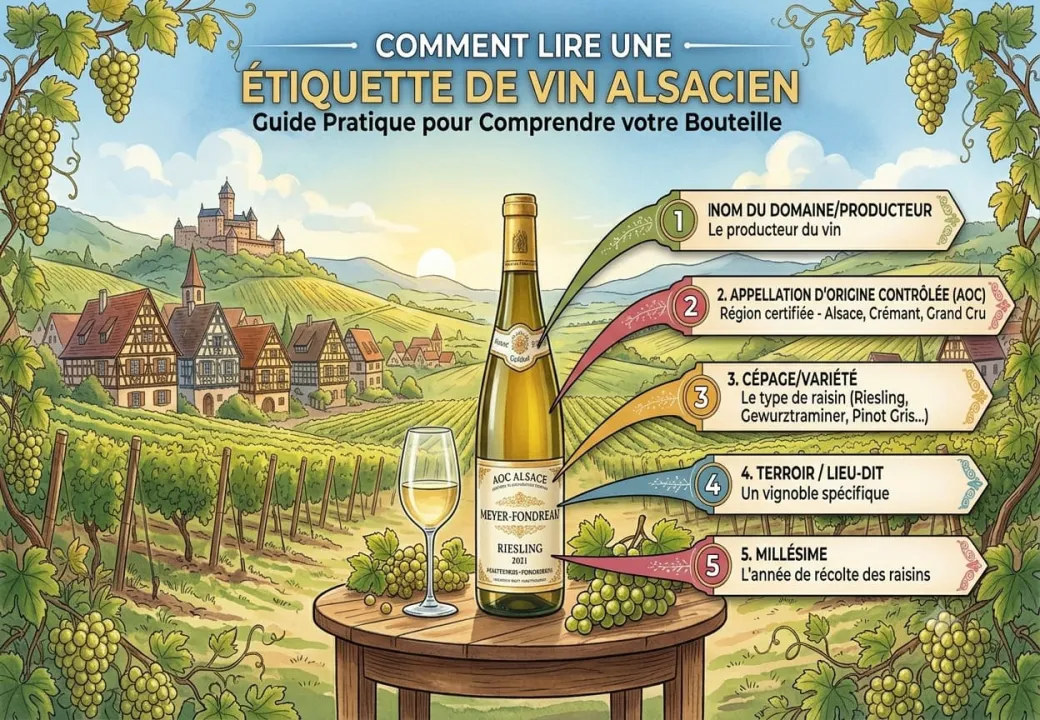
An Alsatian wine label is a wealth of information for those who know how to read it. Unlike other major French wine regions, Alsace puts the grape variety front and centre - a distinctive feature that makes choosing considerably easier. Vintage, appellation, late harvest mention or Grand Cru: this complete guide explains every element so you can choose your Alsatian wine with complete confidence.
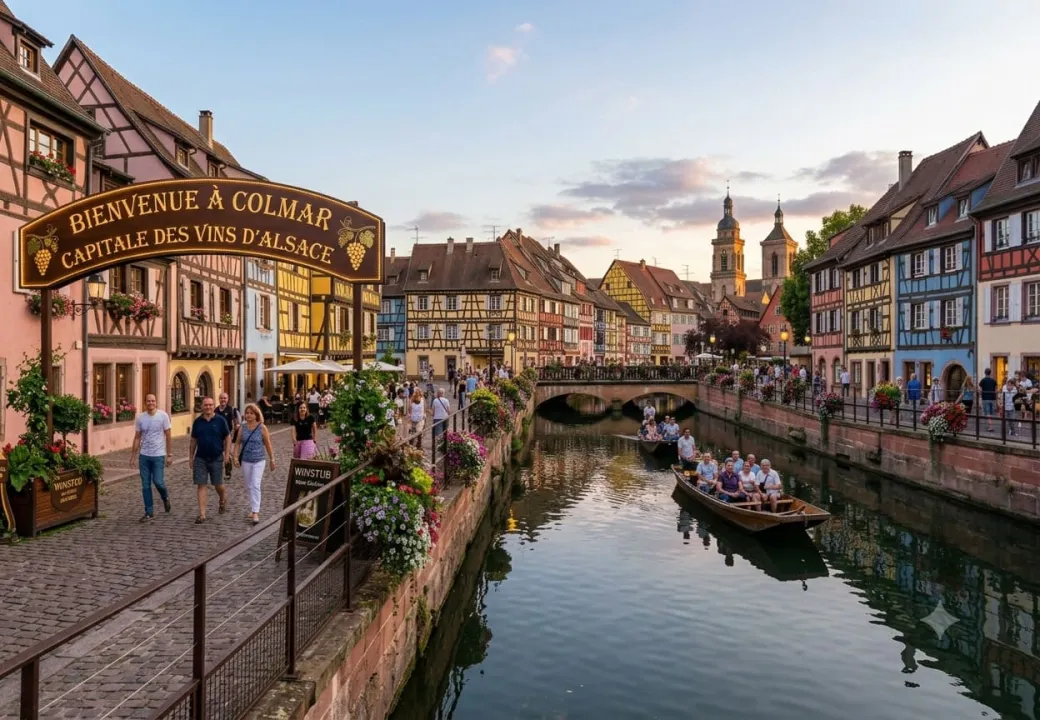
Colmar is one of the most visited cities in France and the undisputed jewel of tourist Alsace. Its cobbled streets, colourful half-timbered houses and the famous Little Venice district make it a living postcard, spared by the destruction of the Second World War. The unofficial capital of Alsatian wines and the natural starting point of the Wine Route, Colmar deserves far more than a brief stopover - this complete guide helps you plan your visit and bring home the best of it.
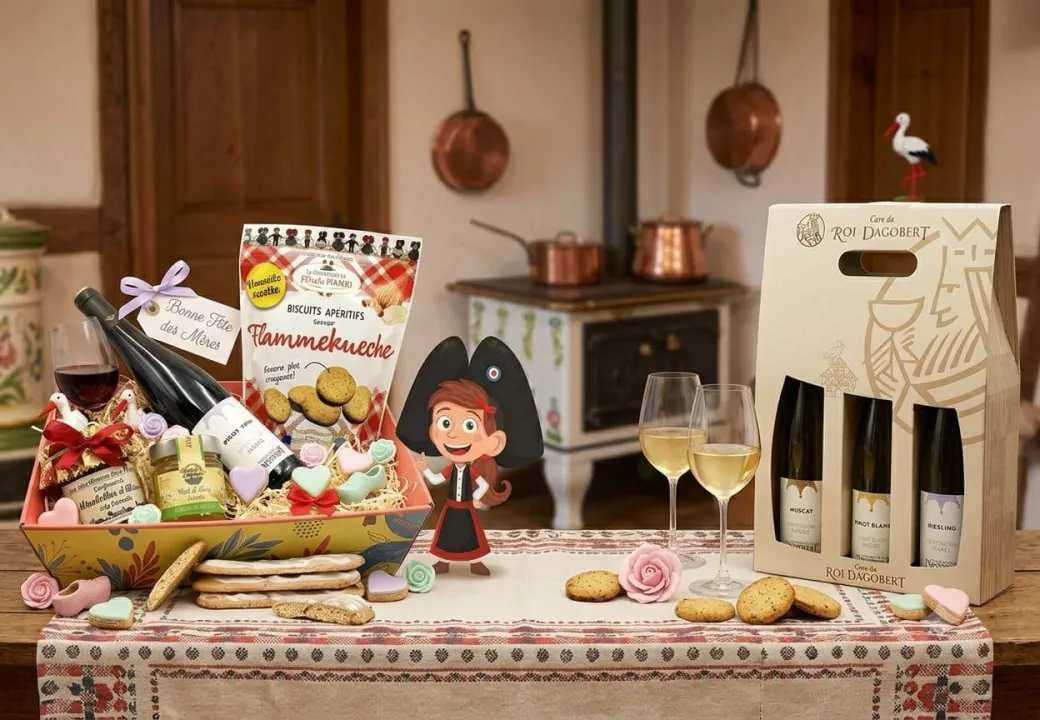
The Alsatian gift box is one of the most popular solutions for giving an authentic, representative gift from the region, without needing to multiply individual searches. Gourmet, wine-themed or artisan, each gift box formula meets different expectations, making it easy to find the perfect gift for every occasion and recipient.
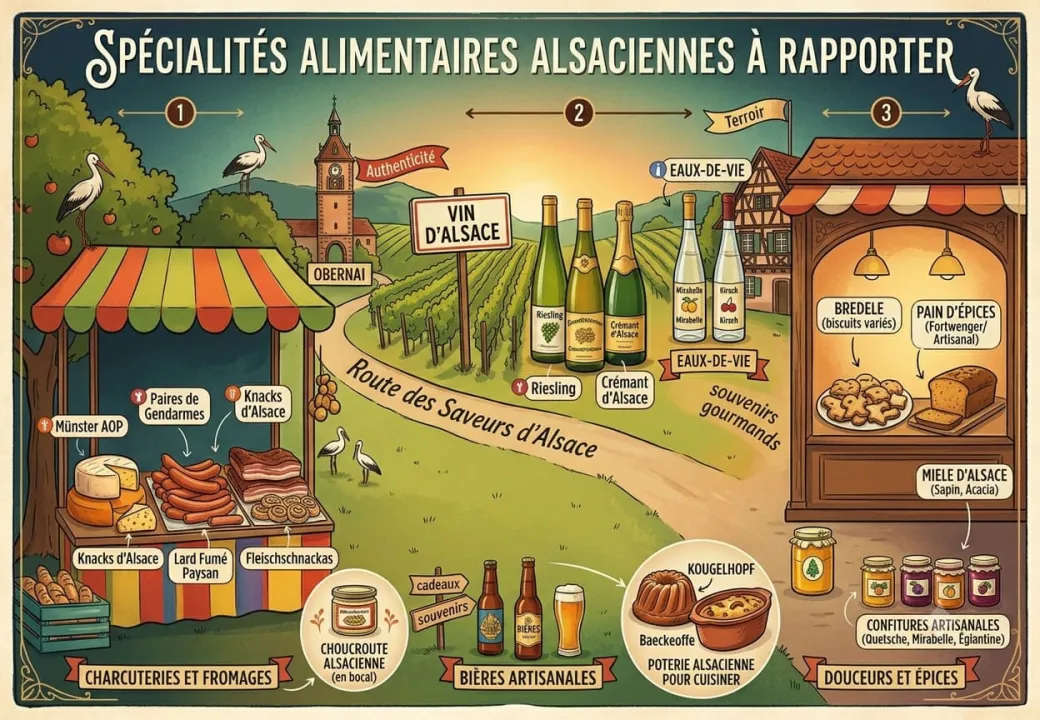
Bringing home a gourmet souvenir from Alsace allows you to extend the pleasure of your trip well after returning. Gingerbread, artisan jams, local honey and vineyard wines rank among the most authentic and representative specialities of the regional terroir, to gift or to enjoy at home.
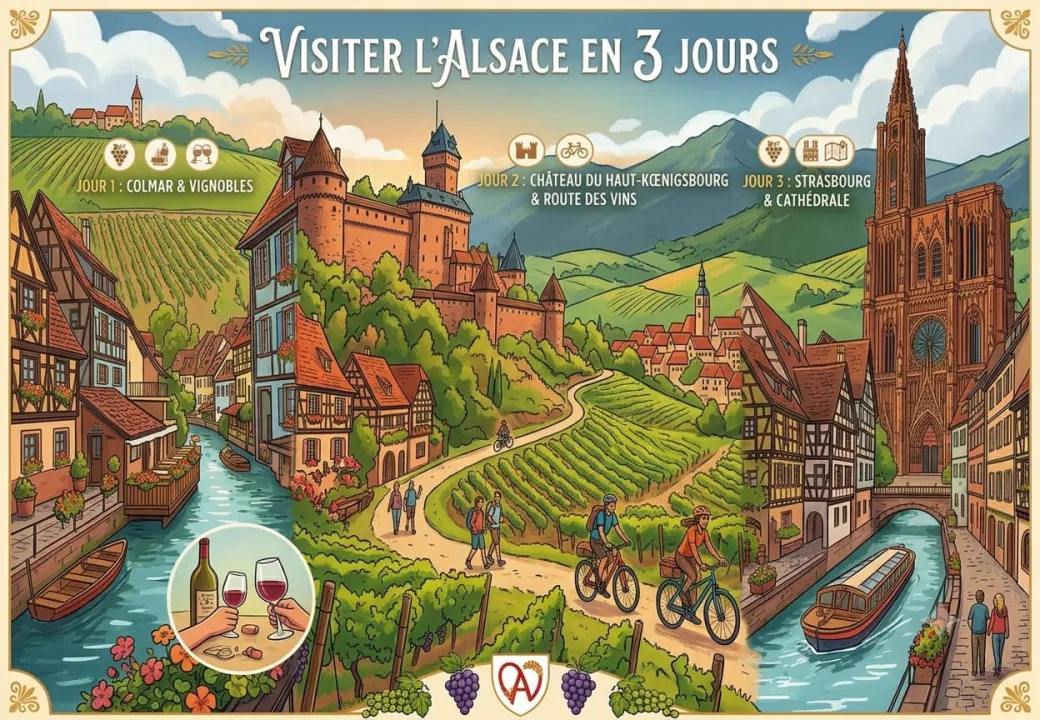
Three days are enough to discover the essentials of Alsace, provided you organise your itinerary well. Between Strasbourg, Colmar and the emblematic villages of the Wine Route, this balanced programme allows a complete immersion in the region's heritage, gastronomy and vineyard landscapes.
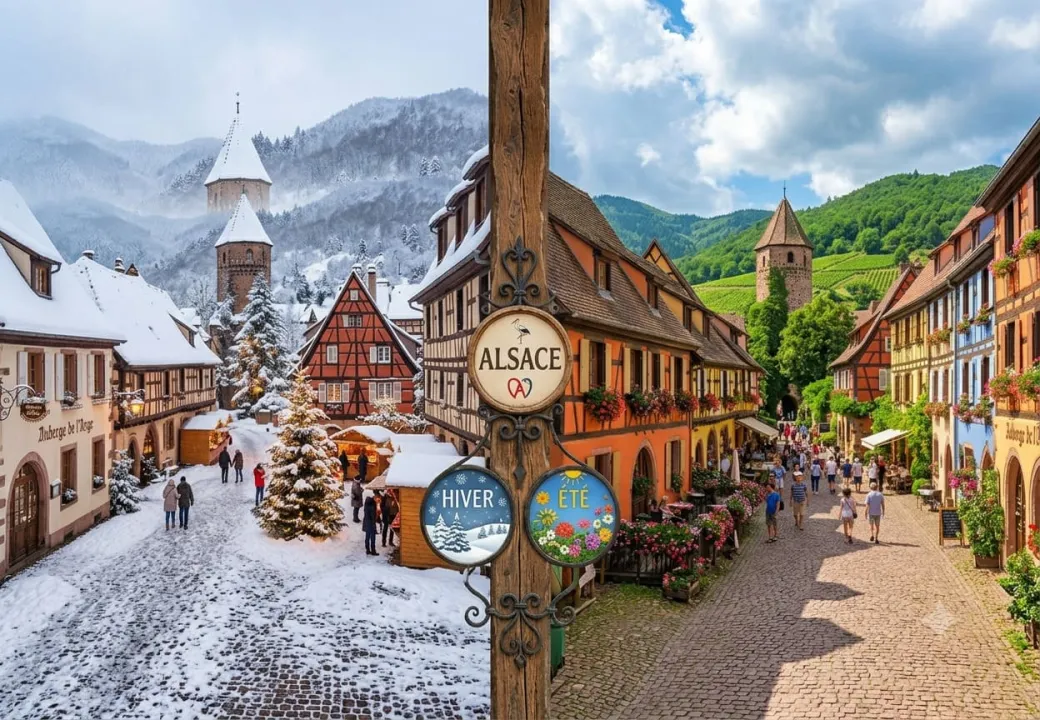
Alsace reveals two radically different faces depending on the season. Winter, magical and enchanting with its Christmas markets and illuminated villages, contrasts with summer, bright and festive, ideal for strolling through the vineyard and lively terraces. Two equally exceptional experiences, for different desires.
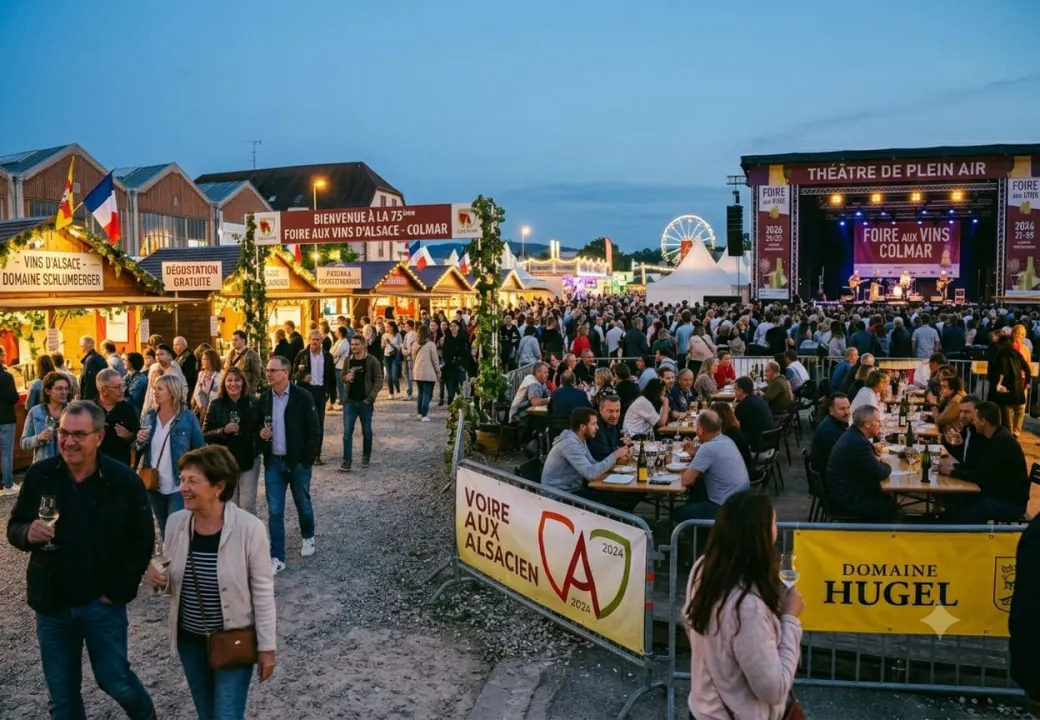
The Colmar Wine Fair has been, for over seventy years, Alsace's largest wine event and one of France's most important wine fairs. Every summer, hundreds of thousands of visitors gather in the Alsatian capital to discover and taste the entire regional production.
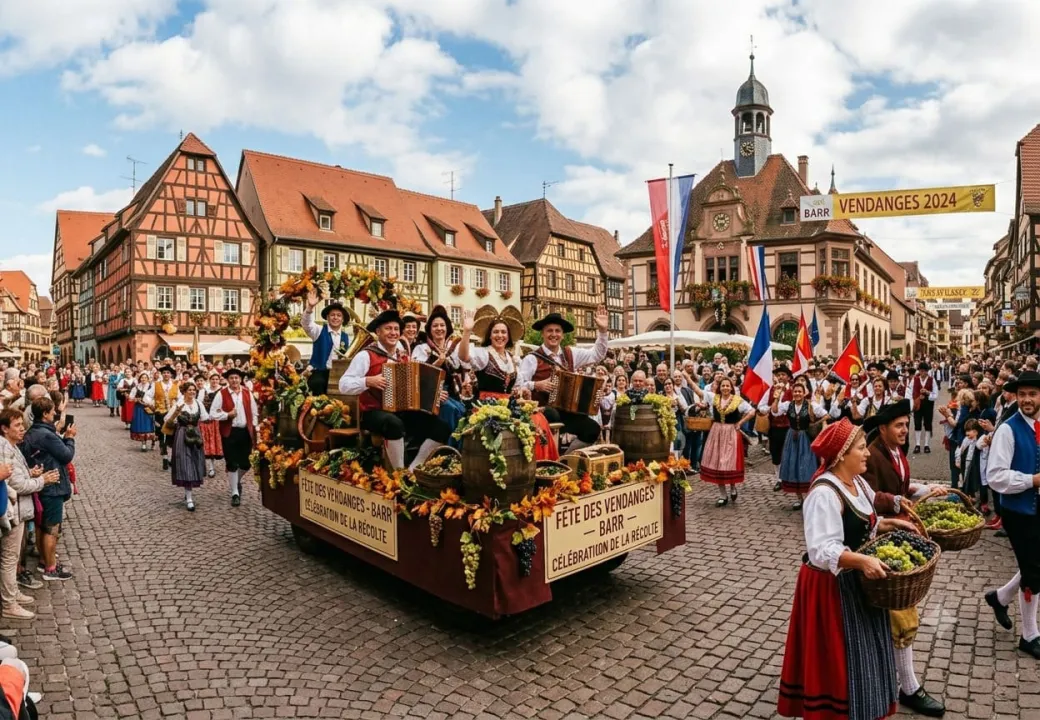
The Barr harvest festival is one of Alsace's oldest and most spectacular wine celebrations. Each autumn, the town dresses in colour and flowers to honour the end of the grape harvest through a vibrant parade, blending agricultural tradition, regional folklore and popular festivity.
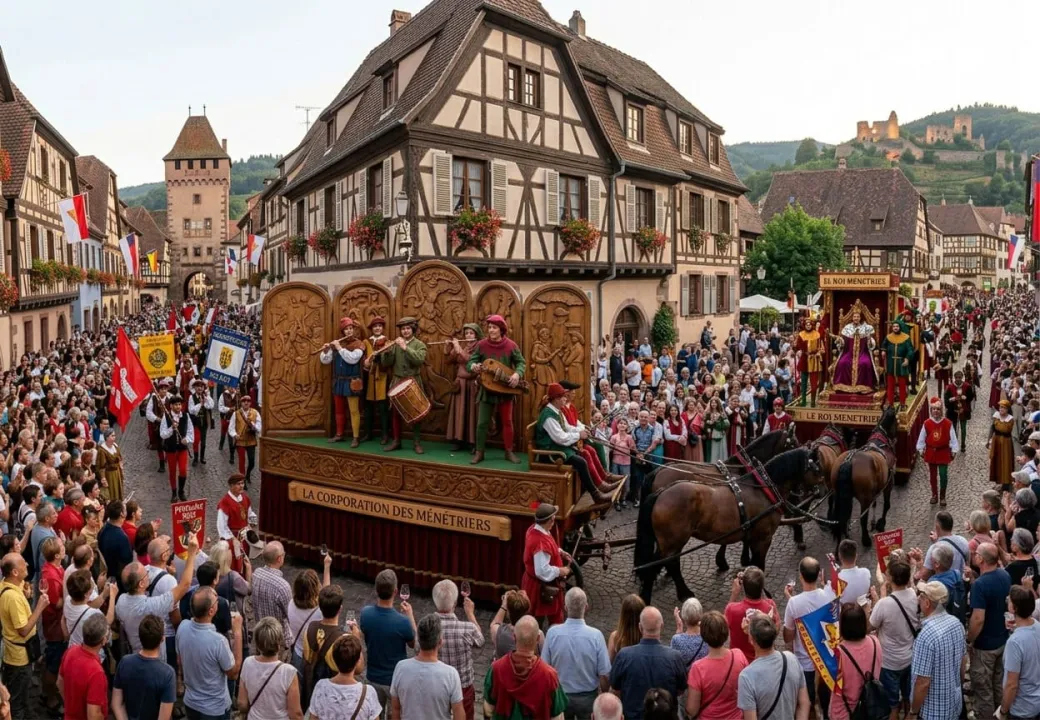
The Pfifferdaj, "day of the fife players", is one of Alsace's oldest and most colourful traditional festivals. Celebrated annually in Ribeauvillé at the heart of the vineyard, this minstrels' festival has perpetuated since the Middle Ages a unique festive heritage combining costumed parades, traditional music and wine-growing generosity.
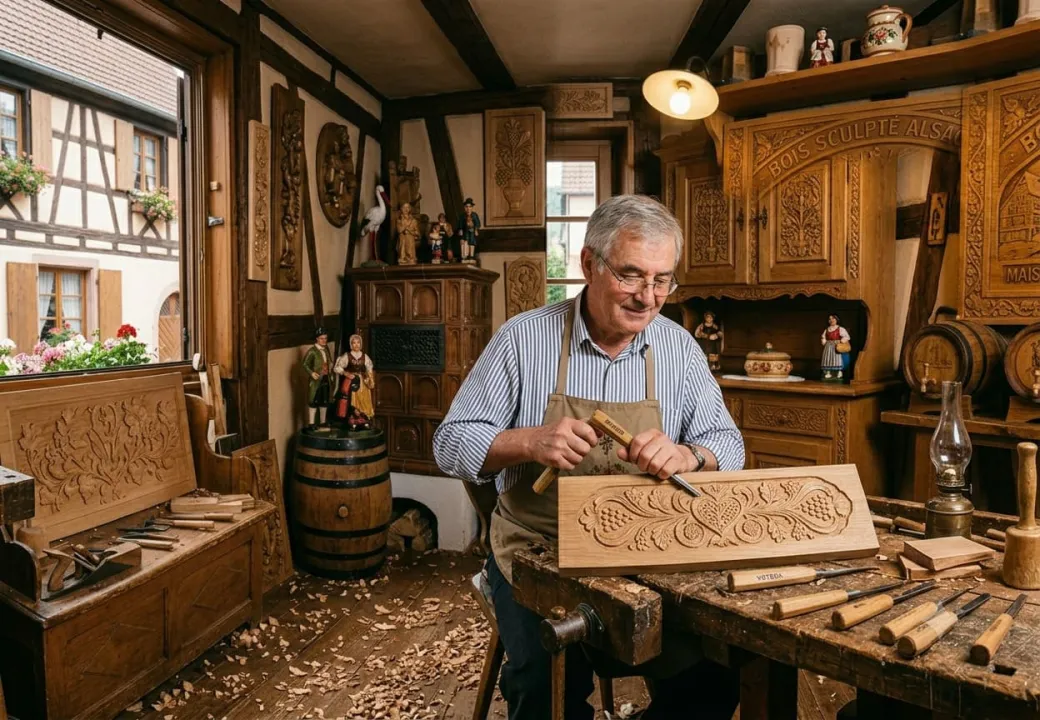
Alsatian wood carving draws its origins from the forest abundance of the Vosges and from a centuries-old farming craft tradition. Storks, miniature half-timbered houses, nativity figures and Christmas decorations bear witness to skills passed down through generations, where the craftsman's gesture transforms raw material into objects charged with regional symbolism.
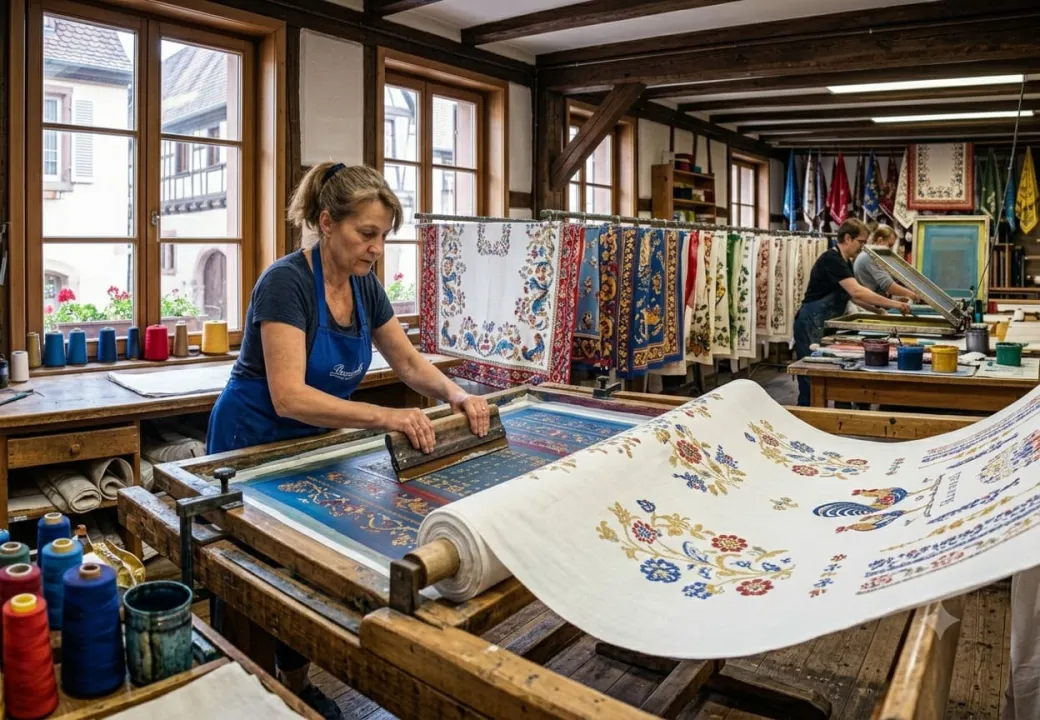
Alsatian weaving, with its characteristic colourful check patterns and centuries-old textile craftsmanship, constitutes one of the lesser-known pillars of the region's artisan heritage. Tablecloths, tea towels and household linen have for generations perpetuated a manufacturing tradition that helped shape Alsace's economy and visual identity.
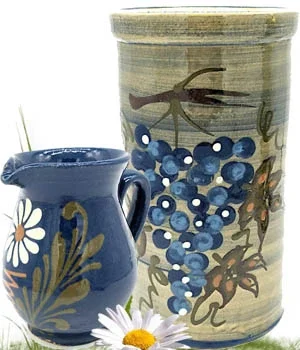
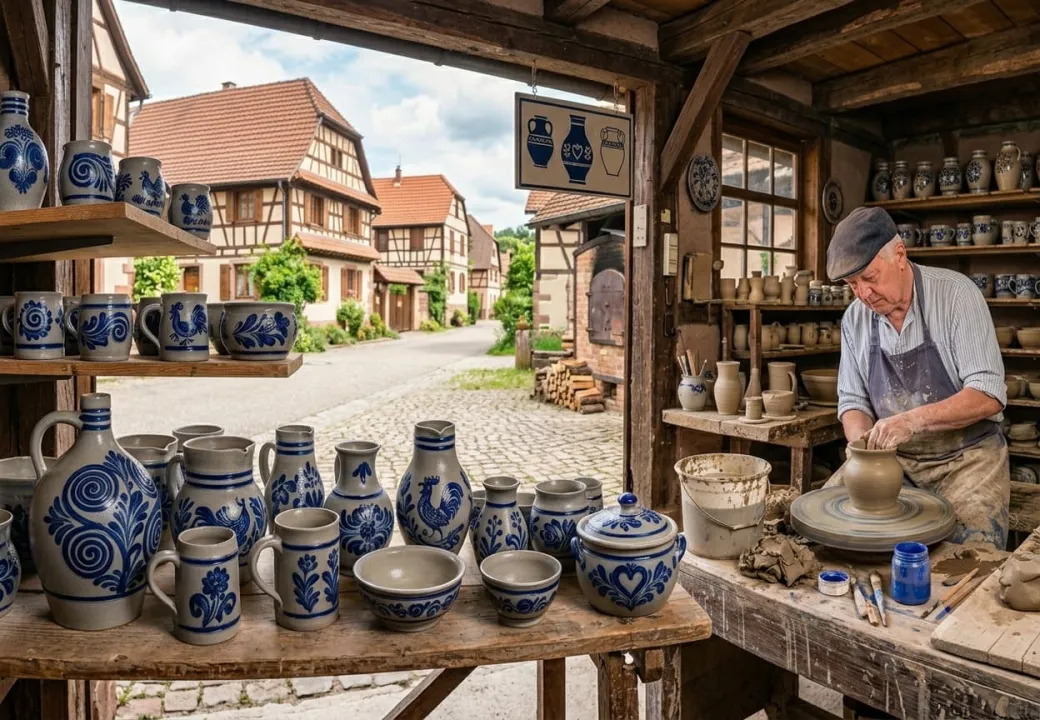
Betschdorf pottery - in reality stoneware rather than faience in the strict sense - is one of Alsace's most distinctive ceramic traditions. Instantly recognisable for its characteristic grey-blue glaze and cobalt decorations, this pottery from northern Alsace bears witness to uninterrupted craftsmanship since the 17th century.
Latest comments View all